Τρίτη 17 Νοεμβρίου 2020

Neoadjuvant systemic and hyperthermic intraperitoneal chemotherapy combined with cytoreductive surgery for gastric cancer patients with limited peritoneal metastasis: a prospective cohort study

Alexandros G.Sfakianakis shared this article with you from Inoreader

12885.jpg

There is no currently available treatment for peritoneal metastasis of gastric cancer. This phase II study aimed to evaluate the efficacy and safety of neoadjuvant systemic chemotherapy and hyperthermic intrap...
View on the web

[ASAP] Bright Aggregation-Induced Emission Nanoparticles for Two-Photon Imaging and Localized Compound Therapy of Cancers

Alexandros G.Sfakianakis shared this article with you from Inoreader

TOC Graphic

ACS Nano
DOI: 10.1021/acsnano.0c05610
View on the web

Choroid Plexus as the Best Reference Region for Standardized Uptake Value Analysis on C11-Acetate PET/CT for Grading and Predicting Prognosis in Patients with Cerebral Gliomas

Alexandros G.Sfakianakis shared this article with you from Inoreader

Abstract

Purpose

We aimed to compare different reference regions and select one with the most clinical relevance on C11-acetate (ACE) positron emission tomography/computed tomography (PET/CT) in patients with cerebral glioma.

Methods

We retrospectively reviewed 51 patients with cerebral glioma who underwent baseline ACE PET/CT at diagnosis. Other than the standardized uptake value (SUV) of the primary tumor, SUVs of the reference regions including the normal gray matter, white matter, choroid plexus, and cerebellum were measured. Then, the SUV ratio (SUVR = tumor SUVmax/reference region SUVmean) was calculated. The effect of patient age on the SUVmean of each reference was examined and the SUVRs of each reference region were compared between grades. age, sex, tumor size, histological grades, SUVR, and the presence of isocitrate dehydrogenase (IDH) mutation were included for survival analyses.

Results

Except for the cerebellum showing a mild negative correlation, we found no correlations between age and SUVmean using the gray matter, white matter, and choroid plexus (r = − 0.280, P = 0.047). Only the SUVR-choroid plexus was able to differentiate between the WHO grades (Grade II vs. III, P = 0.035; grade III vs. IV, P < 0.001; grade II vs. IV, P < 0.001). Multivariate Cox proportional hazards models found that the SUVR-choroid plexus and IDH mutation were statistically significant for predicting OS.

Conclusion

Of the different reference regions used for grading cerebral gliomas, the choroid plexus was found to be the most optimal. In addition, the SUV ratio is useful to predict the overall survival in the model with the choroid plexus as a reference region.


View on the web

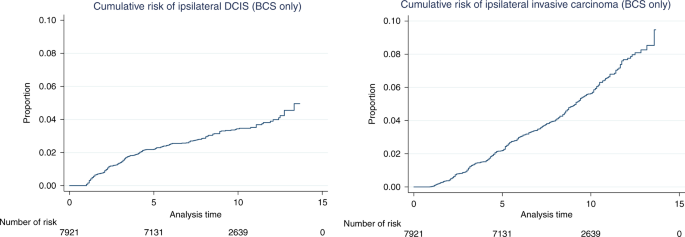
Pathological features of 11,337 patients with primary ductal carcinoma in situ (DCIS) and subsequent events: results from the UK Sloane Project

Alexandros G.Sfakianakis shared this article with you from Inoreader

41416_2020_1152_Fig1_HTML.png

British Journal of Cancer, Published online: 17 November 2020; doi:10.1038/s41416-020-01152-5

Pathological features of 11,337 patients with primary ductal carcinoma in situ (DCIS) and subsequent events: res ults from the UK Sloane Project
View on the web

KCa3.1-dependent uptake of the cytotoxic DNA-binding dye Hoechst 33258 into cancerous but not healthy cervical cells [Signal Transduction]

Alexandros G.Sfakianakis shared this article with you from Inoreader

JBC_twittercard.png

The poor and nonselective penetration of current chemotherapeutics across the plasma membranes of cancer cells, which is necessary for the targeted disruption of the intracellular machinery, remains a major pharmaceutical challenge. In several cell types, including mast cells and macrophages, exposure to extracellular ATP is known to stimulate passive entry of large and otherwise membrane impermeable catio nic dyes, which is usually attributed to conduction through ionotropic P2X receptors. Here, we report that elevations in cytosolic Ca2+ stimulate the rapid uptake and nuclear accumulation of a DNA-binding fluorescent cation, Hoechst 33258 (H33258), in cervical cancer cells. The H33258 uptake was dependent on activation of intermediate conductance Ca2+-activated K+ channels (KCa3.1), and direct stimulation of the channel with the activators SKA 31 and DCEBIO was sufficient to induce cellular uptake of H33258 directly. In contrast to the results from cancerous cervical cells, KCa3.1-dependent H33258 uptake was rarely observed in epithelial cells derived from the ectocervix and transformation zone of healthy cervical tissue. Furthermore, whole-cell patch clamp experiments and assessment of membrane potential using the slow voltage-sensitive dye DiSBAC2(3) revealed a significant difference in functional KCa3.1 activity between cancerous and healthy cervical epithelial cells, which corre lated strongly with the incidence of KCa3.1-dependent H33258 uptake. Finally, we show that activation of KCa3.1 channels caused a modest but significant sensitization of cancer cells to the growth suppressant effects of H33258, lending plausibility to the idea of using KCa3.1 channel activators to enhance cell penetration of small cationic toxins into cancer cells expressing these channels.
View on the web

Salivary complement inhibitors from mosquitoes: Structure and mechanism of action [Immunology]

Alexandros G.Sfakianakis shared this article with you from Inoreader

JBC_twittercard.png

Inhibition of the alternative pathway (AP) of complement by saliva from Anopheles mosquitoes facilitates feeding by blocking production of the anaphylatoxins C3a and C5a which activate mast cells leading to plasma extravasation, pain and itching. We have previously shown that albicin, a member of the SG7 protein family from An. albimanus blocks the AP by binding to and inhibiting the function of the C3 con vertase, C3bBb. Here we show that SG7.AF, the albicin homolog from An. freeborni, has a similar potency to albicin but is more active in the presence of properdin, a plasma protein that acts to stabilize C3bBb. Conversely, albicin is highly active in the absence or presence of properdin. Albicin and SG7.AF stabilize the C3bBb complex in a form that accumulates on surface plasmon resonance (SPR) surfaces coated with properdin but SG7.AF binds with lower affinity than albicin. Albicin induces oligomerization of the complex in solution, suggesting that it is oligomerization that leads to stabilization on SPR surfaces. Anophensin, the albicin ortholog from An. stephensi, is only weakly active as an inhibitor of the AP, suggesting that the SG7 family may play a different functional role in this species and other species of the subgenus Cellia, containing the major malaria vectors in Africa and Asia. Crystal structures of albicin and SG7.AF reveal a novel four-helix bundle arrangement, th at is stabilized by a N-terminal hydrogen bonding network. These structures provide insight into the SG7 family and related mosquito salivary proteins including the platelet-inhibitory 30kDa family.
View on the web

The X-linked intellectual disability gene product and E3 ubiquitin ligase KLHL15 degrades doublecortin proteins to constrain neuronal dendritogenesis [Molecular Bases of Disease]

Alexandros G.Sfakianakis shared this article with you from Inoreader

JBC_twittercard.png

Proper brain development and function requires finely controlled mechanisms for protein turnover and disruption of genes involved in proteostasis is a common cause of neurodevelopmental disorders. Kelch-like 15 (KLHL15) is a substrate adaptor for cullin3 (Cul3)-containing E3 ubiquitin ligases and KLHL15 gene mutations were recently described as a cause of severe X-linked intellectual disability (XLID). Her e, we used a bioinformatics approach to identify a family of neuronal microtubule-associated proteins (MAPs) as KLHL15 substrates, which are themselves critical for early brain development. We biochemically validated doublecortin (DCX), also an X-linked disease protein, and doublecortin-like kinase 1 and 2 (DCLK1/2) as bona fide KLHL15 interactors and mapped KLHL15 interaction regions to their tandem DCX domains. Shared with two previously identified KLHL15 substrates, a FRY tripeptide at the C-terminal edge of the second DCX domain is necessary for KLHL15-mediated ubiquitination of DCX and DCLK1/2 and subsequent proteasomal degradation. Conversely, silencing endogenous KLHL15 markedly stabilizes these DCX domain-containing proteins and prolongs their half-life. Functionally, overexpression of KLHL15 in the presence of wild-type DCX reduces dendritic complexity of cultured hippocampal neurons, whereas neurons expressing FRY-mutant DCX are resistant to KLHL15. Collectively, our findi ngs highlight the critical importance of the E3 ubiquitin ligase adaptor KLHL15 in proteostasis of neuronal MAPs and identify a regulatory network important for development of the mammalian nervous system.
View on the web